





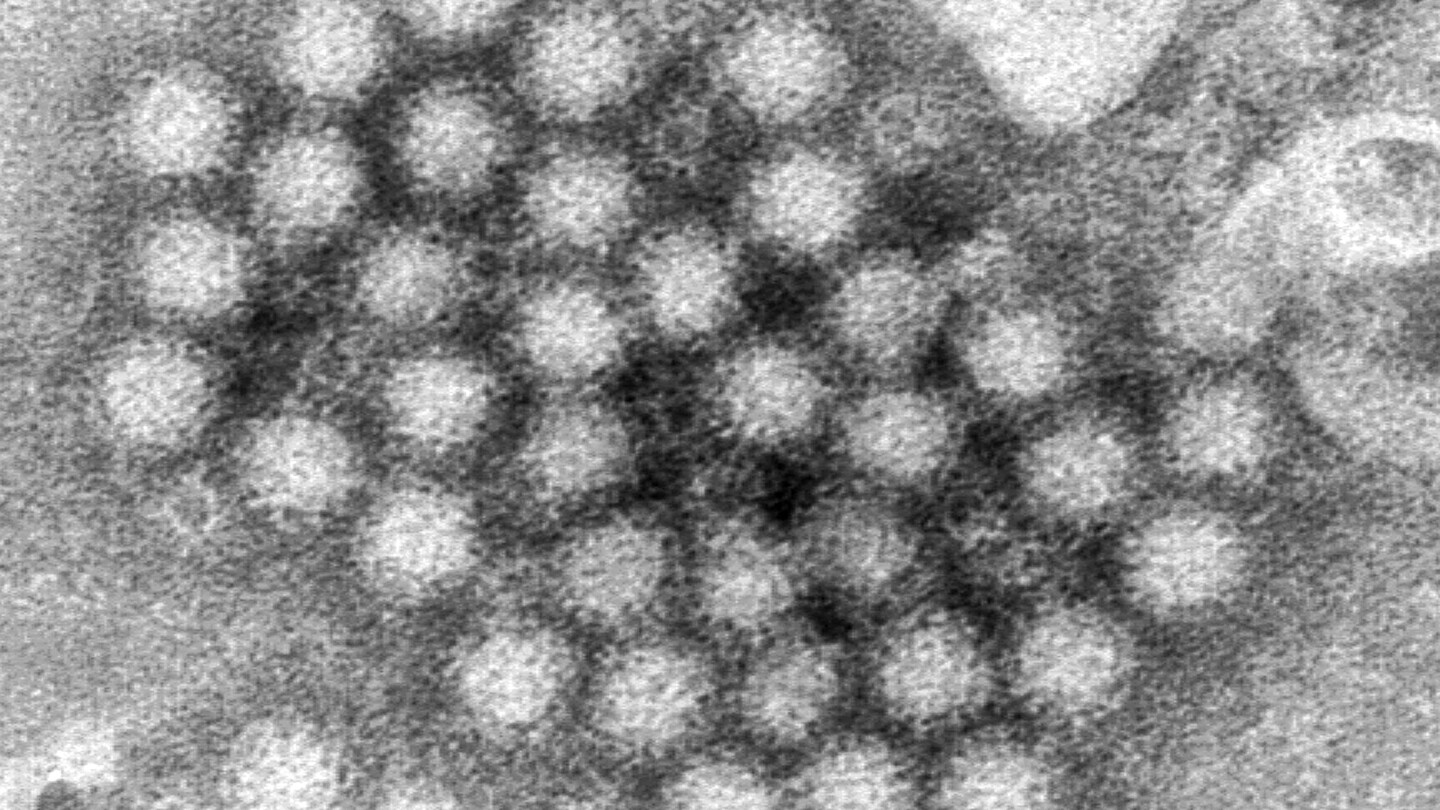
Cases of norovirus are on the rise in the United States this winter, with 91 outbreaks reported during the week of Dec. 5, up from 69 the previous week. Norovirus is a leading cause of foodborne illness and can spread easily through direct contact or contaminated surfaces. Symptoms include vomiting, diarrhea, nausea, stomach pain, body ache, headache, and fever. Most people recover within one to three days, but the virus can be deadly, particularly for older adults and young children.
Norovirus outbreaks often occur in crowded places like cruise ships, nursing homes, schools, and jails. The virus can be transmitted through sharing food or utensils, as well as through contaminated food, water, or surfaces. Symptoms usually develop within 12 to 48 hours of exposure and can last for several days. While there is no specific treatment for norovirus, rehydration is crucial to prevent dehydration, especially in vulnerable populations. Signs of dehydration include decreased urination, dry mouth, dizziness, and changes in behavior in children.
Young children, older adults, and those with weakened immune systems are at higher risk of complications from norovirus, which can lead to hospitalization and even death. Prevention strategies include frequent handwashing with soap and water, especially before meals, and disinfecting surfaces to limit the spread of the virus. Avoiding close contact with infected individuals and practicing good hygiene are key to reducing the risk of norovirus infection. While the virus is most common from November to April, outbreaks can occur year-round.
With an estimated 2,500 norovirus outbreaks reported annually in the United States, the virus remains a significant public health concern. Despite the majority of cases resolving on their own, the high number of illnesses each year underscores the importance of taking precautions to prevent norovirus transmission. Seeking medical help if dehydration occurs is crucial, as severe dehydration can lead to serious complications. By following proper hygiene practices and staying informed about the virus, individuals can protect themselves and others from norovirus during the winter season.