





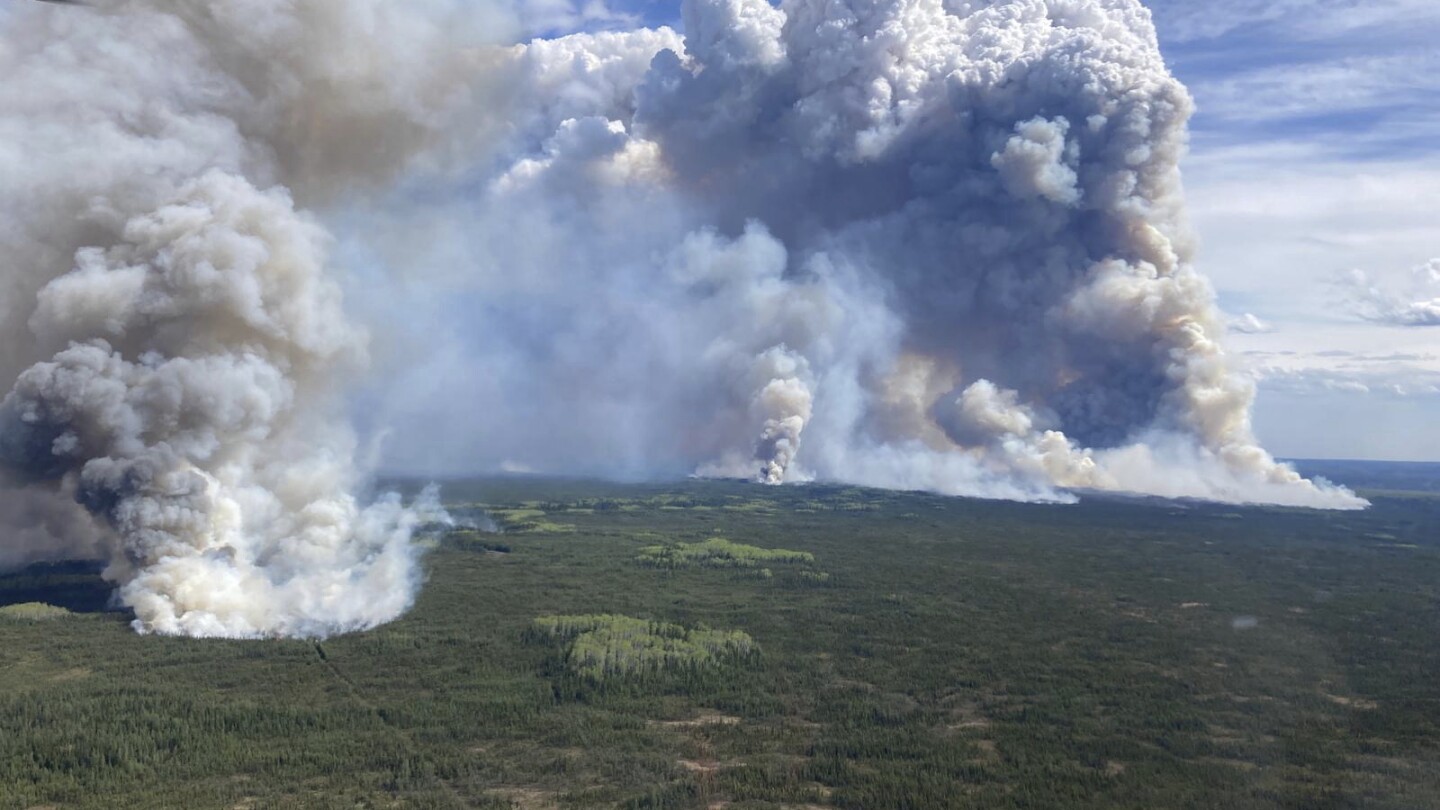
Residents in Fort Nelson, British Columbia, were allowed to return home after being evacuated for over two weeks due to wildfires. The Northern Rockies Regional Municipality and the Fort Nelson First Nation lifted evacuation orders and roadblocks, allowing people to go back home. The Parker Lake wildfire, which forced the evacuation, is now classified as “being held” thanks to rain and firefighting efforts. Despite the containment, parts of the fire are expected to keep burning into the fall, as it destroyed four homes and damaged six other properties in the area.
The BC Wildfire Service stated that the fire in the northeastern corner of the province is not expected to grow any further. The efforts of firefighters combined with the rain on Sunday helped in containing the 123-square-kilometer fire. However, the fire has not been completely extinguished, and residents should be prepared for some areas to keep burning for a while. The evacuation of more than 4,700 people from Fort Nelson was due to the proximity of the wildfire to the town, as it advanced within a few miles before the evacuation order was issued on May 10.
In 2023, Canada saw a record number of wildfires that led to severe smoke conditions in parts of the U.S. and forced over 235,000 Canadians to flee their communities. The devastating impact of wildfires is a growing concern globally, with changing climate patterns leading to more frequent and intense fires. The recent evacuation in Fort Nelson is a reminder of the importance of preparedness and effective emergency response measures in the face of natural disasters. The collaboration between different authorities and organizations in lifting the evacuation orders and ensuring the safety of residents highlights the significance of coordinated efforts in managing such crises.
The return of residents to Fort Nelson marks a step towards normalcy after a challenging period of evacuation and uncertainty. The resilience and strength of the community in facing the threat of wildfires are commendable, as they come together to rebuild and recover from the impact of the disaster. The support and resources provided to those affected by the fires will be crucial in helping them restore their lives and homes. Moving forward, it is essential for authorities to continue monitoring the situation and be prepared for any potential flare-ups or new wildfire threats in the region.
As the wildfire season progresses, it is crucial for residents in wildfire-prone areas to stay informed and prepared for potential evacuations. The lessons learned from past experiences, such as the recent evacuation in Fort Nelson, can guide communities in developing effective response plans and strategies to mitigate the impact of wildfires. Greater investment in wildfire prevention and firefighting resources, as well as collaboration between government agencies, communities, and other stakeholders, will be key in addressing the challenges posed by wildfires in the future. By working together and staying vigilant, communities can enhance their resilience and ability to cope with the threat of wildfires.