





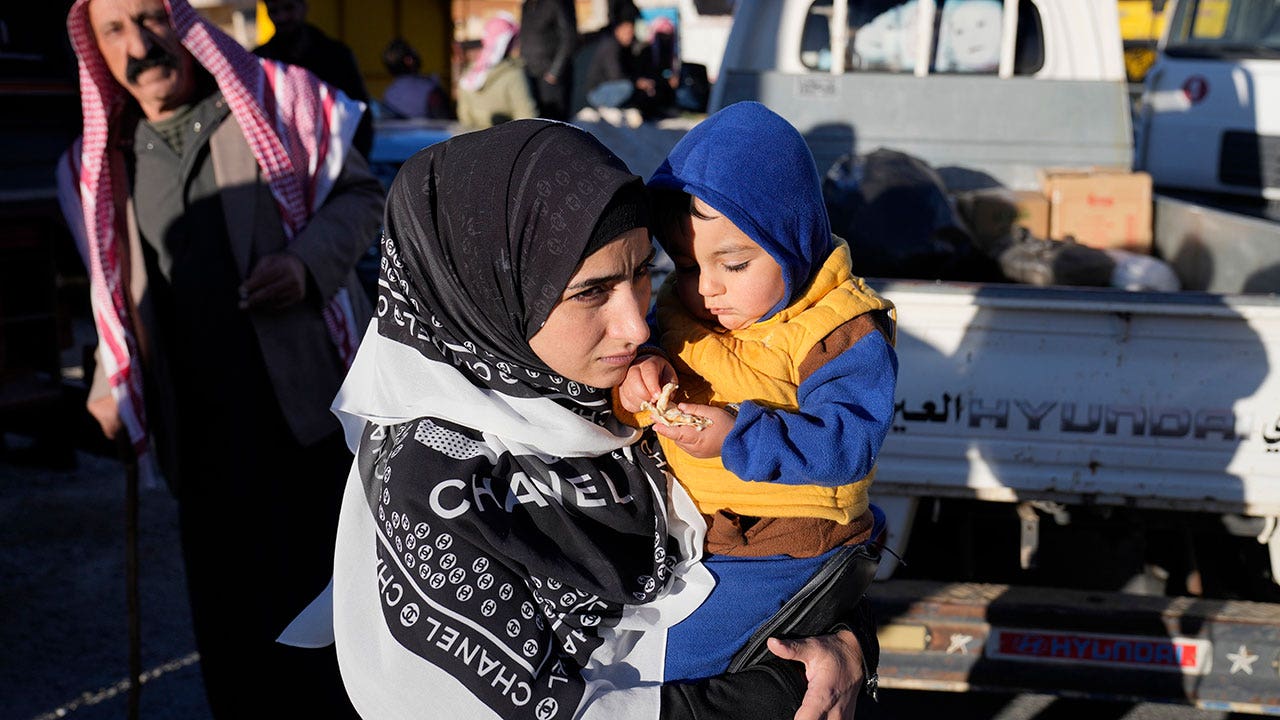
More than 300 Syrian refugees returned to Syria from two remote northeastern towns in Lebanon amid surging anti-refugee sentiment in crisis-stricken Lebanon. Lebanese officials have been urging the international community to resettle refugees or facilitate their return to Syria. Lebanon, with a population of 6 million, hosts nearly 780,000 registered Syrian refugees and many more unregistered ones. The refugees left in a convoy, waving to friends and relatives as they headed back to Syria. Lebanese officials have become increasingly vocal in demanding that Syrian refugees go back, and have stepped up deportations of Syrians in recent months.
Syrian refugees piled their belongings onto trucks and cars in the town of Arsal as Lebanese security officers collected their U.N. refugee agency cards and other paperwork before clearing them to leave. The first such “voluntary return” organized by Lebanese security forces since late 2022 consisted of 330 refugees from the towns of Arsal and Qaa. While some refugees like Ahmad Durro are happy to return, others, especially young men facing compulsory military service or political opponents of the Bashar Assad government, feel it is unsafe to return. In many parts of Syria, fighting may have decreased, but an economic crisis has pulled millions into poverty, leading to an uncertain future for those returning.
Despite growing anti-refugee hostility in Lebanon, the UNHCR only supports voluntary returns of Syrians based on informed consent. Major human rights organizations are skeptical of the voluntary nature of these returns due to the difficult conditions Syrian refugees face in Lebanon. Amnesty International and other organizations have documented cases of refugees being detained and tortured by Syrian security agencies upon their return. Nine out of 10 Syrian refugees in Lebanon live in extreme poverty and rely on humanitarian aid to survive, which has been declining due to donor fatigue and shifting international attention to other crises.
The economic strain of hosting a large refugee population has fueled tensions in Lebanon, with many Lebanese accusing Syrian refugees of benefiting from aid while taking jobs for lower pay. Lebanese political parties have claimed that most Syrians in Lebanon are economic migrants rather than refugees, echoing allegations made by Hezbollah leader Hassan Nasrallah. Security agents have raided businesses employing undocumented Syrian workers, and there have been measures taken to crack down on migration to Europe, which has seen increasing numbers of Syrian refugees attempting to reach the continent by sea. The EU announced an aid package for Lebanon, with a portion allocated to security and border control, leading to accusations that it is a bribe to keep refugees in Lebanon.
As the Syrian civil war enters its 14th year, Lebanon faces political upheaval over the refugee crisis. Lebanese officials are expected to discuss the EU aid package and ramp up efforts to curb migration and push for further refugee returns. The UNHCR has emphasized the importance of voluntary returns to Syria based on informed consent, but the challenging conditions faced by Syrian refugees in Lebanon raise concerns about the safety and viability of returning to their home country. The situation remains complex, with a fragile balance between addressing the needs of refugees and managing the economic strain and social tensions caused by hosting a large refugee population in Lebanon.