




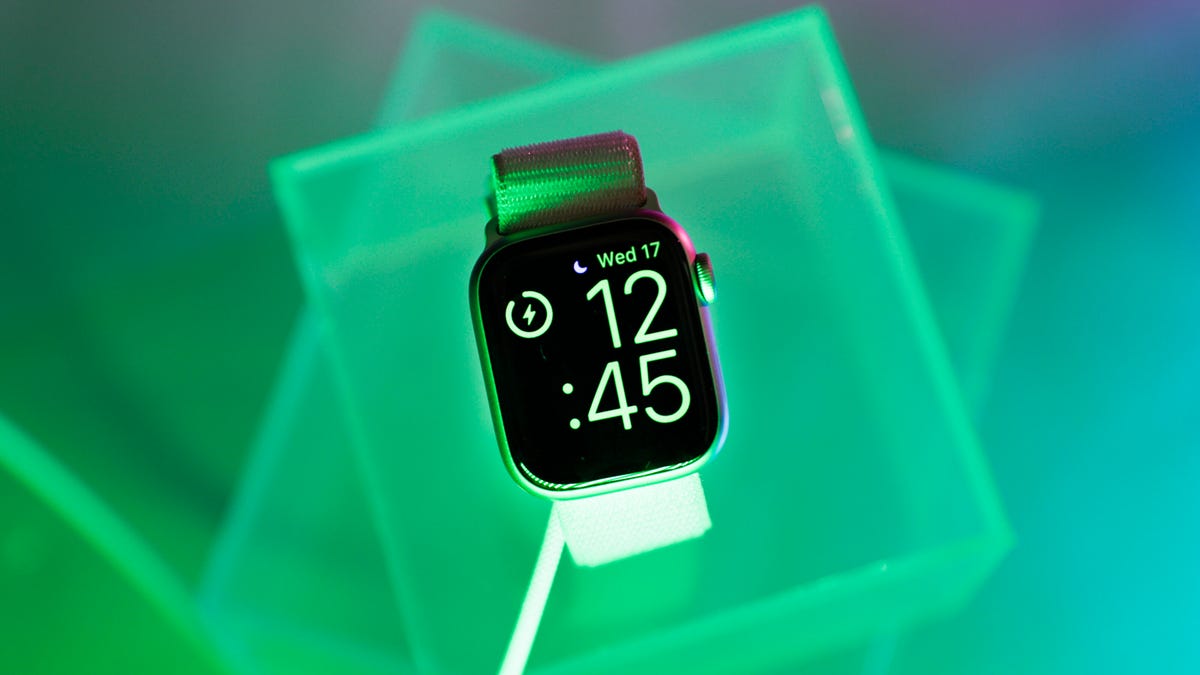
The tech industry has been focused on integrating advanced AI algorithms into various devices since the release of ChatGPT in late 2022. Major players like Samsung, Google, Asus, Intel, and AMD are incorporating AI into their products, including smartphones and computers. The use of AI in smartwatches, in particular, presents an opportunity to enhance user interactions on the wrist, where traditional typing and swiping can be challenging on small screens. Although dedicated AI gadgets like the Humane AI Pin and Rabbit Inc.’s R1 have faced criticism for performance issues, there is still potential for AI to improve existing wearables.
Smartwatches have evolved significantly over the past decade, transitioning from miniature phone screens to standalone devices. However, interacting with a smartwatch screen remains limited compared to larger screens on smartphones. Generative AI could enhance smartwatch functionality by summarizing notifications, messages, and emails to provide bite-sized information. Companies like Apple and Google are exploring ways to leverage AI for better notification summaries, message responses, and watch faces. Voice-powered assistants like Siri and the Google Assistant are also becoming more important on smartwatches due to their convenience for tasks like setting alarms and timers.
Both Apple and Google are making strides in integrating AI into their smartwatch platforms to enhance health tracking capabilities. Apple’s Siri has been updated to answer health-related questions, and the latest smartwatch chip allows for on-device processing of health data. Google’s Fitbit Labs program uses generative AI to analyze Fitbit data and offer health-related insights. Samsung is also looking to bring AI features to other devices, including smartwatches. However, implementing advanced AI features on small smartwatch screens presents challenges, as on-device processing requires significant resources that may be difficult to fit into compact devices.
The potential for AI-generated summaries and responses on smartwatches is significant, despite the challenges of implementing advanced AI features in small devices. Companies like Apple, Google, and Samsung are exploring ways to leverage generative AI to improve smartwatch interactions, particularly in terms of health tracking and user convenience. As technology continues to evolve, the incorporation of AI into smartwatches is likely to expand, offering users more personalized and efficient experiences on their wearable devices.
In the quest to enhance user interactions on smartwatches, companies are exploring the integration of generative AI to provide personalized features such as notification summaries, message responses, and unique watch faces. Voice-powered assistants like Siri and the Google Assistant are becoming more important on smartwatches due to their convenience for tasks that require minimal typing and tapping. Apple, Google, and Samsung are actively working on incorporating AI into their smartwatch platforms to improve health tracking capabilities and overall user experience, although challenges related to on-device processing remain. Despite these challenges, the potential for AI to transform the smartwatch industry is significant, with ongoing efforts focused on leveraging AI to create more intelligent and personalized wearable devices.