




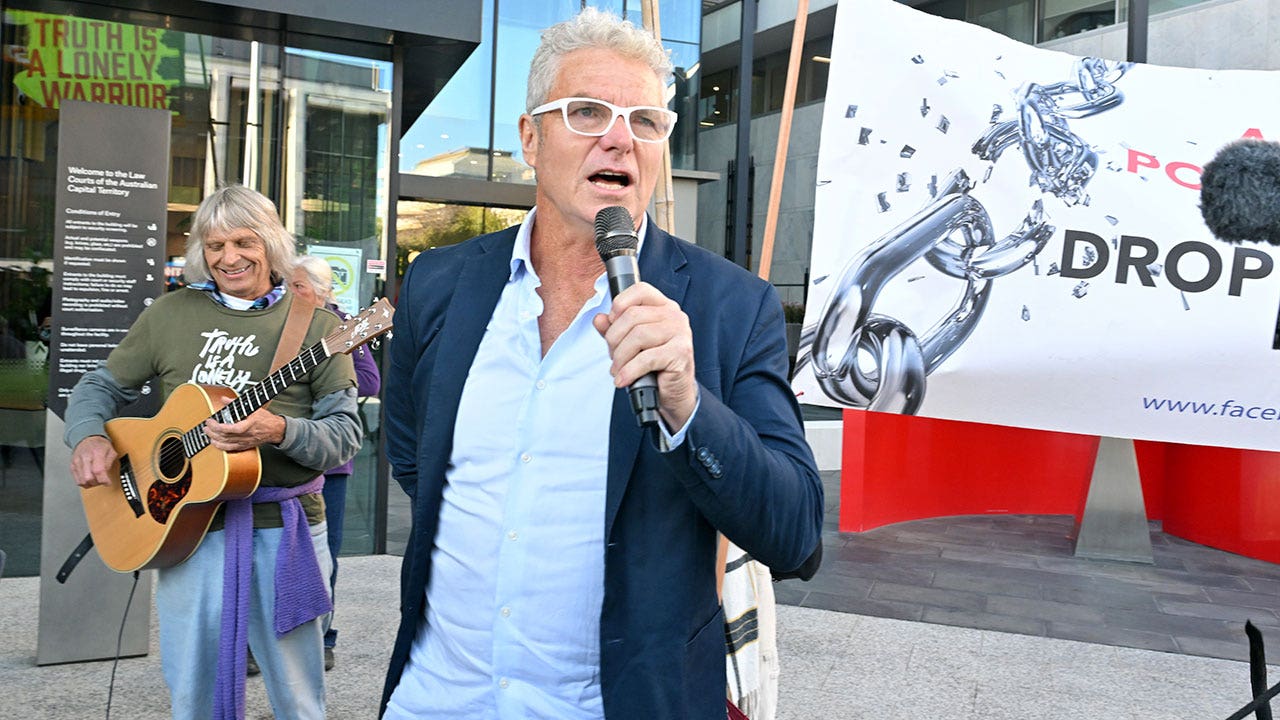
David McBride, a former army lawyer, was sentenced to nearly six years in prison for leaking classified information that exposed allegations of Australian war crimes in Afghanistan. McBride, 60, pleaded guilty to charges including theft and sharing secret documents with the media. His conviction raised concerns about whistleblower protections in Australia. McBride’s sentencing before any alleged war criminal he helped expose reflected a lack of whistleblower protections in the country.
Justice David Mossop sentenced McBride to five years and eight months in prison after pleading guilty to three charges including theft and sharing classified documents as secret with members of the press. In a court in Canberra, Mossop ordered McBride to serve 27 months in prison before being considered for parole. McBride’s legal team intends to appeal a ruling denying him the opportunity to mount a defense against his charges, claiming that he felt obligated to disclose classified papers due to suspicions of criminal activity at higher levels of the Australian Defense Force.
McBride’s leaked documents formed the basis of an Australian Broadcasting Corp television series in 2017 that contained allegations of war crimes, including soldiers killing unarmed Afghan men and children. Police raided the ABC’s headquarters in 2019 but decided not to charge the reporters involved in the investigation. Mossop did not accept McBride’s explanation that he acted in the public interest and rejected his argument that suspicions of criminal activity by higher echelons of the military obliged him to disclose classified information.
An Australian military report in 2020 found evidence that Australian troops unlawfully killed 39 Afghan prisoners, farmers, and civilians, recommending criminal investigations against 19 current and former soldiers. Police are collaborating with an investigation agency to build cases against elite troops who served in Afghanistan between 2005 and 2016. David McBride’s sentencing is seen as evidence that Australia’s whistleblower laws need exemptions in the public interest, particularly as more evidence of war crimes by Australian soldiers in Afghanistan emerges.
Some lawmakers from minor parties and independents raised concerns about McBride’s sentencing in parliament, arguing that Australia’s whistleblower laws are broken and need urgent reform. Greens lawmaker Elizabeth Watson-Brown confronted Prime Minister Anthony Albanese about McBride’s imprisonment, referring to it as a “crime of telling the truth about war crimes.” Andrew Wilkie, a former government intelligence analyst turned independent lawmaker, highlighted how the government punishes whistleblowers to prevent them from exposing information and sending a signal to others to remain silent. The sentencing of McBride reinforces the lack of protection for whistleblowers in Australia and potentially has a chilling effect on those seeking transparency and accountability.