





Fifty years after the invasion of Cyprus by Turkey, the consequences of the conflict are still evident in the divided capital of Nicosia. The United Nations has maintained a buffer zone between the Turkish and Greek Cypriot troops since 1974 to preserve peace. The zone is filled with abandoned homes that bear witness to the sudden exodus of people fleeing for their lives, leaving behind their belongings and memories frozen in time. The walls are marked with bullets, and makeshift gun nests face each other, serving as reminders of the violent past.
Tensions in the buffer zone are on the rise, with the appearance of new firing positions and high-tech surveillance technology with potential military applications. Despite multiple attempts to reconcile the Greek and Turkish-speaking zones through a federation, talks have stalled, leading to a possible shift towards a two-state deal that has been rejected by Greek Cypriots. The U.N. Secretary-General’s efforts to bring both sides back to the negotiating table are now in jeopardy due to the changing dynamics in the region.
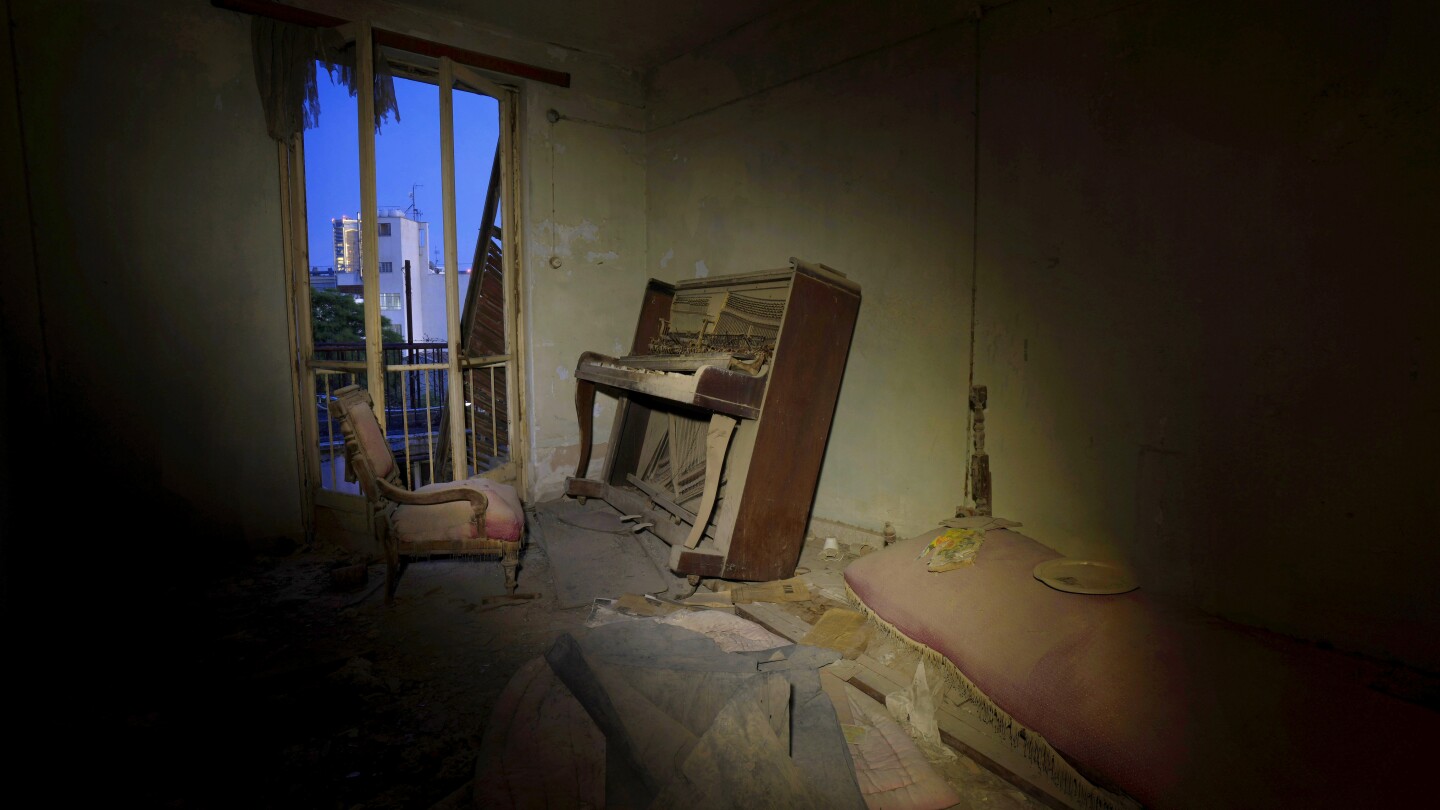
The abandoned apartments and businesses in the buffer zone offer a glimpse into the lives that were abruptly disrupted by the conflict. A rickety piano leans against a dilapidated wall, while pots and pans filled with dust gather on a stove that once cooked meals for a family. Yellowed pages of a book and a rusty tin can lie open, painting a picture of homes left behind in a hurry, as if time stood still in the midst of chaos. The eerie atmosphere of the abandoned buildings reflects the heartbreak and fear that once filled these spaces.
The shift towards a two-state deal by Turkey and Turkish Cypriots is a significant departure from previous efforts to reunify the island through a federation. Greek Cypriots have rejected this proposal, further complicating the prospects for peace and reconciliation. The U.N.’s role in maintaining the buffer zone and facilitating negotiations between the conflicting parties is now more challenging than ever as the divide widens between the Greek and Turkish-speaking communities.
The scars of war are visible in the bullet-riddled walls and abandoned buildings in the buffer zone, serving as a stark reminder of the violence that tore families apart and divided communities. The abandoned airport, with destroyed planes and deserted terminals, stands as a ghostly monument to the conflict that has left a lasting impact on the island. The graves of soldiers killed in the 1974 invasion serve as a somber reminder of the human cost of war and the need for reconciliation and peace in a divided nation.
As the anniversary of the invasion approaches, the people of Cyprus are reminded of the ongoing struggle for unity and peace in a divided land. The abandoned homes and belongings in the buffer zone tell a silent story of loss and longing, while the political stalemate between the conflicting parties threatens to derail any hopes of reconciliation. Despite the challenges and obstacles, the desire for peace and a unified Cyprus remains strong, as the memories of the past continue to shape the future of the island nation.