




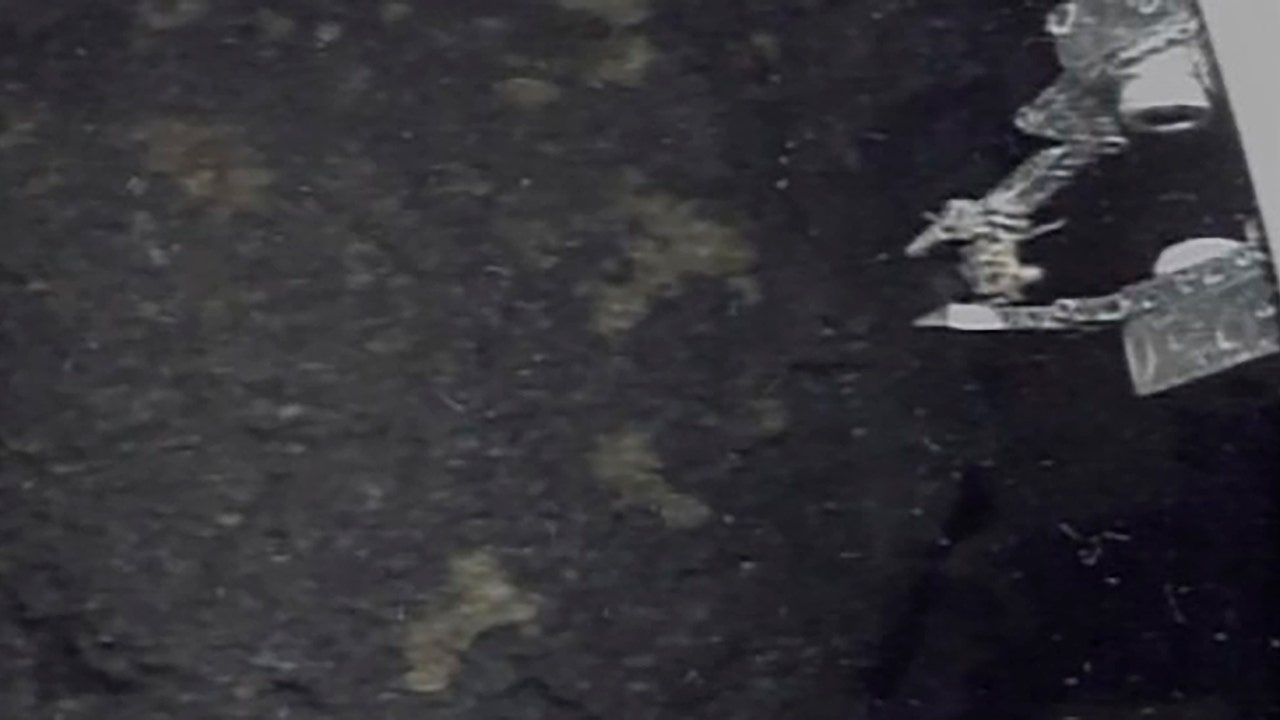
A robot has been inside the Fukushima Daiichi plant for months, retrieving a tiny sample of melted nuclear fuel, marking a step forward in the cleanup process. The sample, the size of a grain of rice, was placed into a secure container and will be transported for analysis. The first sample provides valuable data for developing a decommissioning strategy, necessary technology, and learning about how the accident developed. Additional sampling missions will be required to gather more data. Despite multiple probes over the years, much about the highly radioactive interior of the plant remains a mystery.
Officials had been concerned that the sample might be too radioactive to be safely tested, but it was significantly less radioactive than expected. The robot, named Telesco, clipped a sample from a mound of melted fuel debris in the Unit 2 reactor, which was later placed into a safe container for removal. This marks the first time melted fuel has been retrieved out of the containment vessel. The Fukushima Daiichi plant suffered meltdowns in three reactors following an earthquake and tsunami in 2011, leaving an estimated 880 tons of fatally radioactive melted fuel remains. The cleanup is expected to take 30-40 years, but some experts believe it may take a century or longer.
Progress was delayed during the robot’s mission due to mishaps, including an assembly error and camera failure. Despite these setbacks, the sample retrieval was successful marking a significant milestone in the decommissioning process. The sample will be sent to outside laboratories for detailed analysis over the coming months, providing crucial data for future cleanup efforts. The government and TEPCO have set a target to finish the cleanup by 2051, with Chief Cabinet Secretary Yoshimasa Hayashi stating that delays will not impact the overall decommissioning process.
The sample retrieval marks a key advancement in the complex and challenging task of cleaning up the Fukushima Daiichi plant. The robot mission faced several obstacles along the way, but ultimately succeeded in recovering the melted fuel sample. The data collected from the sample will be instrumental in planning the next steps of the decommissioning process. Despite the remaining challenges, officials remain committed to steadily tackling the cleanup efforts to ensure the safe removal of the melted fuel debris. While the cleanup timeline remains ambitious, experts suggest that it may take much longer to fully complete the decommissioning process.