





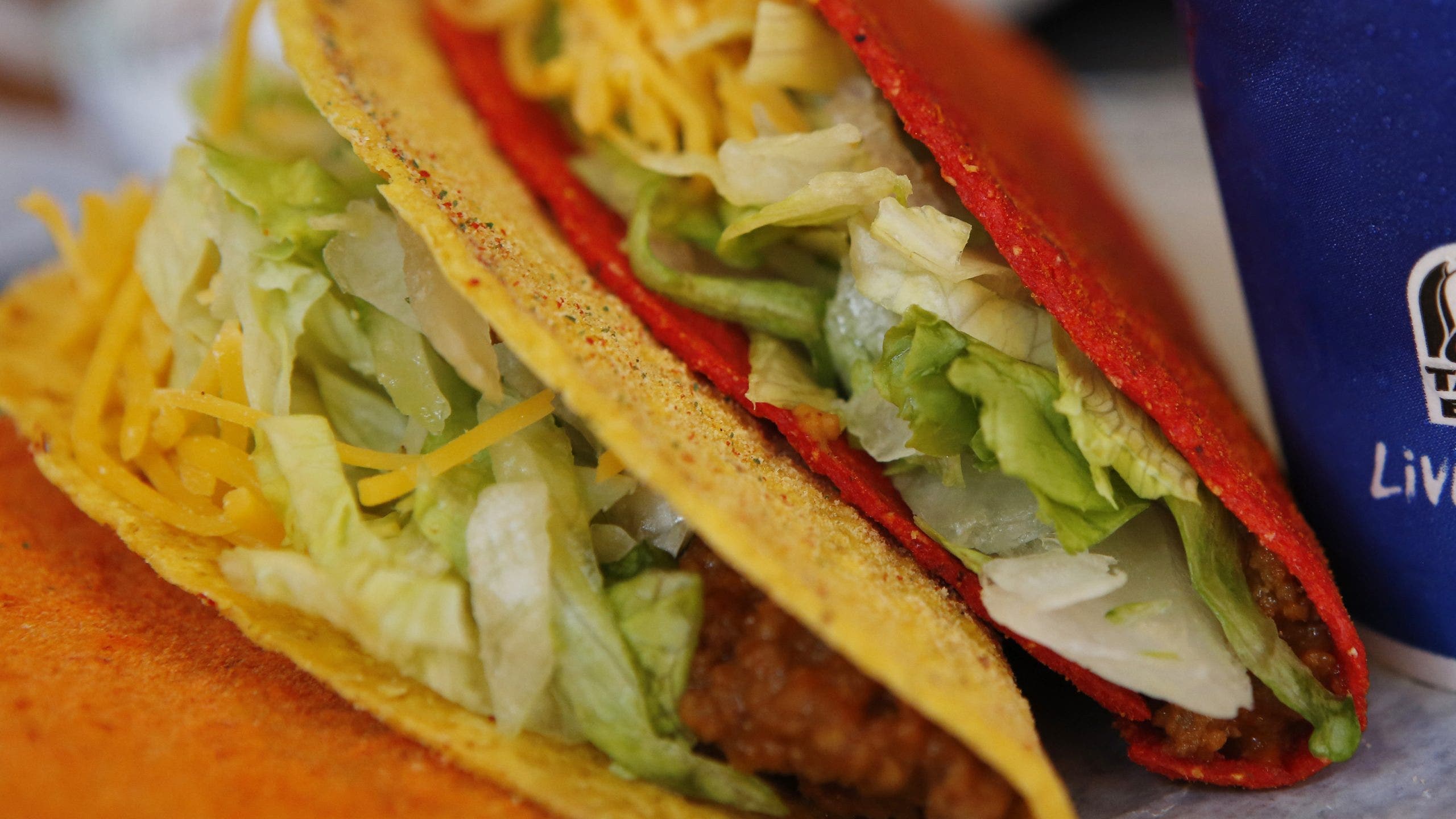
On April Fools’ Day, people are eager for a good story, which is why some far-fetched food fantasies have managed to deceive the public over the years. In 1996, Taco Bell claimed to have purchased the Liberty Bell and renamed it the “Taco Liberty Bell” in an effort to reduce the national debt. This hoax was featured in major newspapers across the country and fooled many. Another prank involved Wynkoop Brewing Co. in Denver announcing that they were making Rocky Mountain Oyster Stout, a beer made with bull testicles. Despite the odd choice of ingredients, the gimmick was a hit and the beer is still brewed today.
One of the most famous April Fools’ Day pranks of all time was pulled off by the BBC in 1957 when they announced that there had been an exceptionally heavy spaghetti crop in Switzerland. This led to widespread confusion and inquiries from viewers about how to grow their own spaghetti at home. In 1878, a newspaper claimed that Thomas Edison had invented a machine that could turn dirt into meat and water into wine. Even though the story was admitted to be a dream at the end of the report, it was still picked up by multiple newspapers across the country.
In a more recent prank, Oobah Butler, a London writer, created a fake restaurant called the Shed at Dulwich and used fake reviews to make it the top-rated eatery in London on TripAdvisor. This nonexistent restaurant went from being the lowest-rated establishment to the number one spot in just six months. The overwhelming response from people trying to make reservations for a place that didn’t exist showcased the power of a compelling story, even if it’s entirely made up.
People are drawn to these outlandish food fantasies on April Fools’ Day because they offer something new and delicious to eat, even if it’s just a joke. The willingness to believe in these creative and humorous stories is a testament to the power of storytelling and the human desire for novelty and entertainment. Whether it’s claiming to have bought a historic landmark, brewing beer with unconventional ingredients, or inventing a top-rated restaurant out of thin air, these pranks have captured the imagination of the public and left a lasting impression.
Despite the absurdity of these hoaxes, they have managed to fool and entertain people year after year. The element of surprise and the sheer creativity behind these stories make them memorable and engaging for those who come across them. From claiming to turn water into wine to creating a restaurant that doesn’t exist, these food fantasies tap into our desire for the extraordinary and the unexpected. Whether you fall for these tricks or see through them, they serve as a reminder of the power of a good story to captivate and delight audiences of all kinds.
In an age where information is readily available and skepticism is high, these April Fools’ Day pranks stand out as moments of pure entertainment and escapism. They offer a brief respite from the seriousness of everyday life and allow us to indulge in a bit of whimsy and imagination. These food fantasies may be far-fetched and improbable, but they provide a welcome distraction and spark a sense of wonder and joy in those who encounter them. So, the next time you come across a seemingly unbelievable story, remember that sometimes, the most outlandish tales can be the most enjoyable and memorable.